

If you experienced sexual abuse or physical sexual misconduct by staff at Chowchilla, Chino, or another California women’s prison, you may be eligible to pursue a confidential legal claim.





Chemical Exposure
What Are the Signs and Symptoms of Roundup Poisoning?
 Approved by the Tosi Content Team

admin.tosifirm
Atlanta Office Partner at at Tosi Law


Quick Insights
- Roundup exposure can cause a wide range of symptoms, from minor skin irritation to life-threatening diseases like non-Hodgkin lymphoma.
- One can be directly exposed to Roundup through skin contact and inhalation or indirectly by eating contaminated produce.
- If Roundup exposure has made you sick, Tosi Law can help you establish if you qualify for financial compensation.
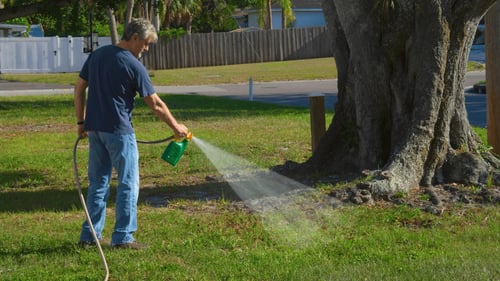
Roundup exposure can cause a wide range of symptoms. Some, like minor skin and eye irritation, are mild and easily treatable. While others, like non-Hodgkin lymphoma, are extremely severe and can have devastating effects on the person who is exposed.
According to research done at the University of California at Davis, exposure to the chemical can happen quite easily. If you apply the chemical, it can enter your body via direct skin contact or if you touch plants that have recently been sprayed.
Roundup users are also at risk of ingesting the substance by inhaling it or getting it in their eyes. You also face the risk of exposure if you fail to wash your hands after use. Eating or smoking after using Roundup without properly removing traces of the chemical from your body can result in you accidentally swallowing the herbicide. Even if you aren’t the person using Roundup, you face the risk of exposure by eating contaminated produce. Roundup stays in soil for up to six months, meaning that vegetables and other plants grown in contaminated soil contain trace elements of glyphosate (Roundup’s active ingredient).
Signs of Roundup Exposure
Glyphosate, the chemical at the center of Roundup’s controversy, is the primary cause of the herbicide’s carcinogenic effects. Exposure to glyphosate has several signs and symptoms, some of which manifest immediately, while others can take years to develop.
Below is a list of side effects commonly associated with Roundup exposure.
- Eye irritation
- Skin irritation
- Irritation in the nose and throat
- Increased saliva
- Burns in the mouth and throat
- Nausea
- Vomiting
- Diarrhea
- Death
If you use Roundup in your garden, it’s also prudent to keep an eye on your pets. Animals that touch or eat plants recently sprayed by Roundup can experience any of the following signs.
- Vomiting
- Diarrhea
- Sleepiness
- Drooling
- Loss of appetite
Symptoms of Glyphosate Poisoning
Sudden exposure to a large amount of glyphosate – usually by swallowing Roundup – can result in glyphosate poisoning. This condition has specific symptoms that are worth being aware of.
If you experience any of the following after ingesting Roundup, or if you witness a Roundup user showing any of these signs, it is critical to call 911 immediately.
- Headaches
- Dizziness
- Coma
- Drowsiness
- Low blood pressure
- Weakness
- Abdominal cramps
- Diarrhea
- Irritation in the mouth and throat
- Anxiety
- Difficulty breathing
- Blue fingernails or lips
- Nausea and vomiting (some people vomit blood)
More severe indications of glyphosate poisoning include:
- Gastrointestinal corrosion
- Mouth and throat pain
- Abdominal pain
- Difficulty swallowing
- Organ damage to the liver and kidneys
- Kidney failure to the extent of needing dialysis
- Respiratory distress
- Pulmonary edema
- Shock
- Cardiac arrhythmias
- Significant irregular heart rhythm, followed by death
- Impaired consciousness
- Metabolic acidosis
- Severe skin burns
- Corneal injury
Roundup and Non-Hodgkin Lymphoma
Hundreds of lawsuits – and numerous medical studies – allege a link between Roundup exposure and non-Hodgkin lymphoma (NHL).
According to the Mayo Clinic, non-Hodgkin lymphoma is a type of cancer that develops in the lymphatic system, a complex network of nodes, vessels, and tissues that protects the body from disease.
More specifically, NHL refers to the tumors that develop in the system’s lymphocytes, a type of white blood cell critical to defending the body from various types of infection.
Although malignancy starts in the lymph nodes, the cancer can spread to other parts of the lymphatic system, like the tonsils, adenoids, spleen, bone marrow, lymphatic vessels, and thymus. It is also possible for NHL to spread to other organs that are not part of the lymphatic system.
Types of Non-Hodgkin Lymphoma
There are five types of non-Hodgkin lymphoma:
- Chronic lymphocytic leukemia
- Cutaneous B-cell lymphoma
- Cutaneous T-cell lymphoma
- Follicular lymphoma
- Waldenstrom macroglobulinemia
Symptoms of Non-Hodgkin Lymphoma
Below is a list of the most common symptoms of early-stage non-Hodgkin lymphoma. However, it is important to note that some individuals who develop the disease do not show any of these signs.
- Swollen lymph nodes in the armpits, neck, or groin (these may or may not be painful)
- Pain or swelling in the abdomen
- Difficulty with breathing
- Chest pain
- Coughing
- Fever
- Unexplained weight loss
- Night sweats
- Ongoing fatigue
Causes of Non-Hodgkin Lymphoma
According to the Mayo Clinic, the following are known contributors to the development of non-Hodgkin lymphoma:
- Some of the chemicals in weed killers and insecticides.
- Immuno-suppressant drugs – especially those taken by individuals who have had organ transplants. These drugs lower the body’s resistance to potential malignancies and are typically taken for extremely long periods of time.
- Although one can develop NHL at any point in one’s life, age plays a significant role. The disease is most common in people older than 60.
- Some bacterial and viral infections are also known to increase the risk of NHL. Helicobacter pylori (the bacteria that causes ulcers) and viral infections like Epstein-Barr and HIV may correlate with an increased risk of developing NHL.
What to Expect if You Suspect Roundup Exposure Caused Non-Hodgkin Lymphoma
The diagnostic process to confirm or rule out non-Hodgkin lymphoma usually involves these steps:
- An analysis of the patient’s medical history. Your doctor will ask you detailed questions about your and your family’s medical history, including any history of cancer or related symptoms you’ve experienced. The assessment will also cover a wide range of risk factors, such as exposure to certain chemicals or infections.
- A comprehensive physical examination. Your doctor will examine the lymph nodes in your underarm, neck, and groin. They will also check for abdominal swelling that might indicate an enlarged spleen or liver.
- Blood and urine tests. In addition to providing a broad view of your health that’s sufficiently detailed to help with the diagnosis, lab tests can often reveal markers that are typically associated with lymphoma.
- X-rays, CT scans, and MRIs. Doctors may employ imaging technology to identify enlarged lymph nodes and other signs of NHL in your body.
- A biopsy. After extracting a tissue sample from one of your lymph nodes, a pathologist will analyze the tissue to look for signs of non-Hodgkin lymphoma.
- A bone marrow test. A sample of bone marrow – typically extracted from your hip bone – is assessed by a pathology lab to confirm the NHL diagnosis.
Did You Develop NHL After Roundup Exposure?
Roundup may cause or contribute to non-Hodgkin lymphoma. If you suspect that you have sustained harm from Roundup exposure, a Roundup lawsuit lawyer can help. Call Tosi Law LLP today at 888-311-8292 to schedule your free consultation.
Call Tosi Law if You Have Questions
If you or a loved one has developed multiple myeloma or any other type of cancer after being exposed to Roundup, you could be entitled to compensation. Please call Tosi Law LLP at u003cstrongu003e888-311-8292u003c/strongu003e for more information. Our defective product lawyers are ready to help you file a Roundup lawsuit.


